Auxiliary Nurse Midwifery (ANM)
A 2-year ANM diploma in Aurangabad, Bihar — training for community and maternal health careers.
- Duration
- 2 Years
- Intake
- 60 seats (INC-approved, 2024–25)
- Recognition
- INC · BNRC · BUHS · Govt. of Bihar
What ANM actually trains you to do.
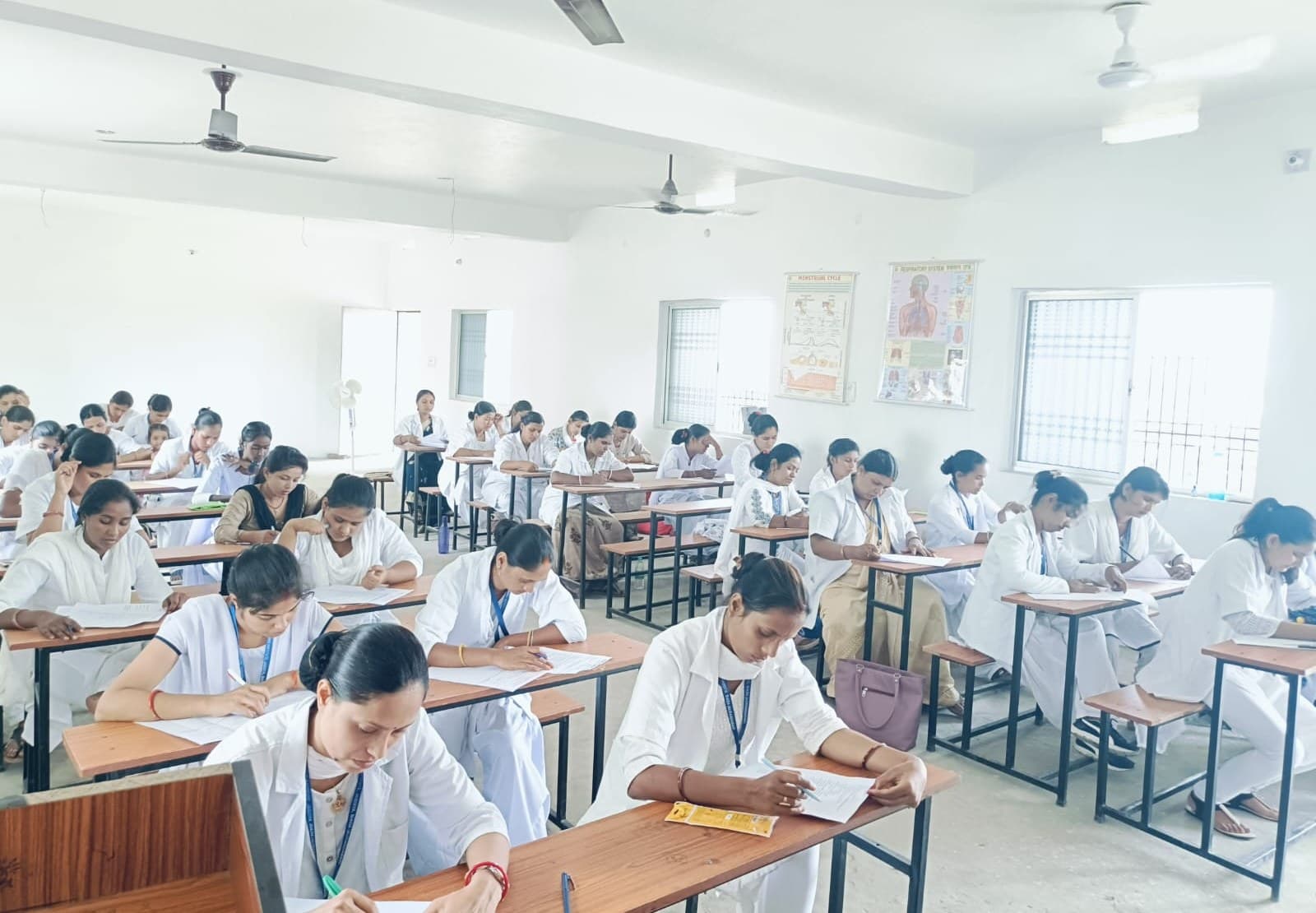
The ANM (Auxiliary Nurse Midwifery) course at Shanta Nursing Institute is a 2-year diploma preparing students for frontline healthcare roles across Bihar — particularly maternal health, immunisation, and primary care. The programme is designed to build the knowledge, clinical skills, and practical field experience needed to work confidently at primary health centres (PHCs), community health centres, and in outreach settings.
ANM is one of the oldest and most widely recognised community health cadres in India's public health system. In Bihar specifically, ANMs form the backbone of village- and block-level maternal and child health delivery — running antenatal clinics, conducting home visits, managing immunisation schedules under the Universal Immunisation Programme, and acting as the first point of contact for reproductive and child health services in rural areas.
Because the role is so field-facing, the ANM curriculum is deliberately weighted toward applied skill over theory-only instruction. Students learn procedures — antenatal examination, injection technique, growth monitoring, health record-keeping — in a structured skill lab before practising them under supervision at real primary health centres and outreach camps.
The course is delivered over two academic years plus practical postings, and is structured so a student who completes it is prepared not just to pass an exam, but to independently manage a sub-centre's basic maternal and child health caseload from day one of employment.
Field-Based
Outreach immunisation and antenatal care practice from Year 1
Community-Focused
Postings oriented toward primary and community health centres
INC · BNRC · BUHS
Approved by the Indian Nursing Council, registered with BNRC, affiliated to BUHS, and recognised by the Government of Bihar
 ANM2 Years
Year by year, subject by subject.
Year 1
Health foundations and primary care skills.
Child Health Nursing
- Growth and development assessment using the Road to Health chart
- Nutrition of infants and children, and breastfeeding counselling
- Care of the sick child using the IMNCI approach (ARI, diarrhoea, common illnesses)
- Children's rights, and prevention of child labour and abuse
- School health programmes and care of adolescents
Community Health Nursing I
- Concept of health, primary health care, and the role of the health team
- Structure and dynamics of rural and urban communities
- Community need assessment, household surveys, and home visiting
- Health communication, IEC methods, and counselling
- National health programmes and the SC/PHC/CHC referral system
Primary Health Care
- Infection, body defence mechanisms, and the immunisation schedule
- Prevention and management of common communicable diseases
- Care of common community health problems — fever, respiratory, digestive, and other conditions
- Primary medical care: drug administration and dosage for minor ailments
- First aid, bandaging, fracture management, and life-threatening emergencies
Health Promotion & Education
- Structure and functions of the human body
- Personal hygiene and hygiene needs of the sick
- Environmental sanitation, safe water, and waste disposal
- Mental health, maladjustment, and care of the elderly
Year 2
Maternal and child health specialisation.
Midwifery & Maternal Health
- Human reproductive system, female pelvis, and foetal development
- Antenatal care and identification of high-risk pregnancy
- Conducting normal labour and childbirth using the partograph
- Postnatal care, newborn care, and neonatal resuscitation
- Family planning counselling and contraceptive methods
Nursing Management
- Organising and running sub-centre clinics and activities
- Maintaining stock, supplies, and health records
- Coordinating with ASHA workers, Anganwadi staff, and the Panchayat
- Implementing national health programmes at the sub-centre
- 0110+2 pass in Arts (with English Core/Elective), Science, or Health Care Science–Vocational stream from a recognised board
- 02NIOS (National Institute of Open Schooling) 10+2 qualified candidates are also eligible
- 03Minimum age 17 years as on 31st December of the admission year; maximum age 35 years
- 04Medically fit, certified by a registered physician
- 05Admission is conducted once a year
Where ANM graduates go next.
- 01Auxiliary Nurse Midwife — Primary Health Centres (PHCs)The most common first role: running antenatal clinics, immunisation sessions, and basic outpatient care at a sub-centre or PHC.
- 02Community Health Worker / Field Health CoordinatorField-based roles coordinating outreach camps, health surveys, and referral tracking for a designated area.
- 03Immunisation & Maternal Health Outreach WorkerFocused roles within government or NGO immunisation and maternal health programmes.
- 04Government Health Scheme RolesANM-eligible positions under central and state public health programmes, subject to current recruitment norms and exams.
- 05Further StudyGNM (via lateral entry at institutes offering it) or Community Health Officer bridge certification, per state norms.
ANM — Common Questions
Yes. The course is approved by the Indian Nursing Council (INC), New Delhi, registered with the Bihar Nurses Registration Council (BNRC), Patna, and affiliated to Bihar University of Health Sciences (BUHS), Patna.
Ready to start your ANM journey?
Admissions counsellors are available to walk you through eligibility, fees, and the application timeline.